



ECO Recycling Project: Realization of Ecological Thinking through Modern Technologies
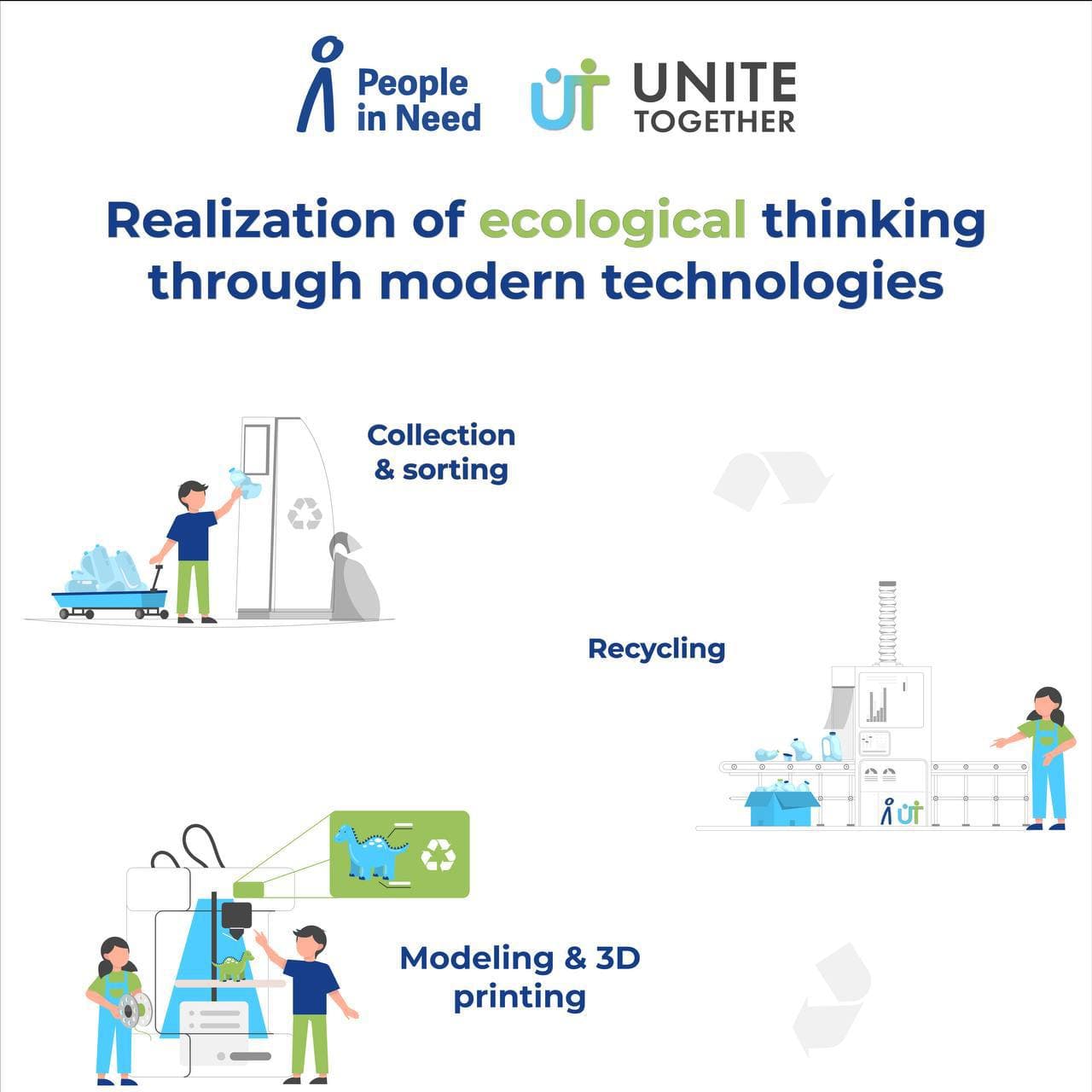
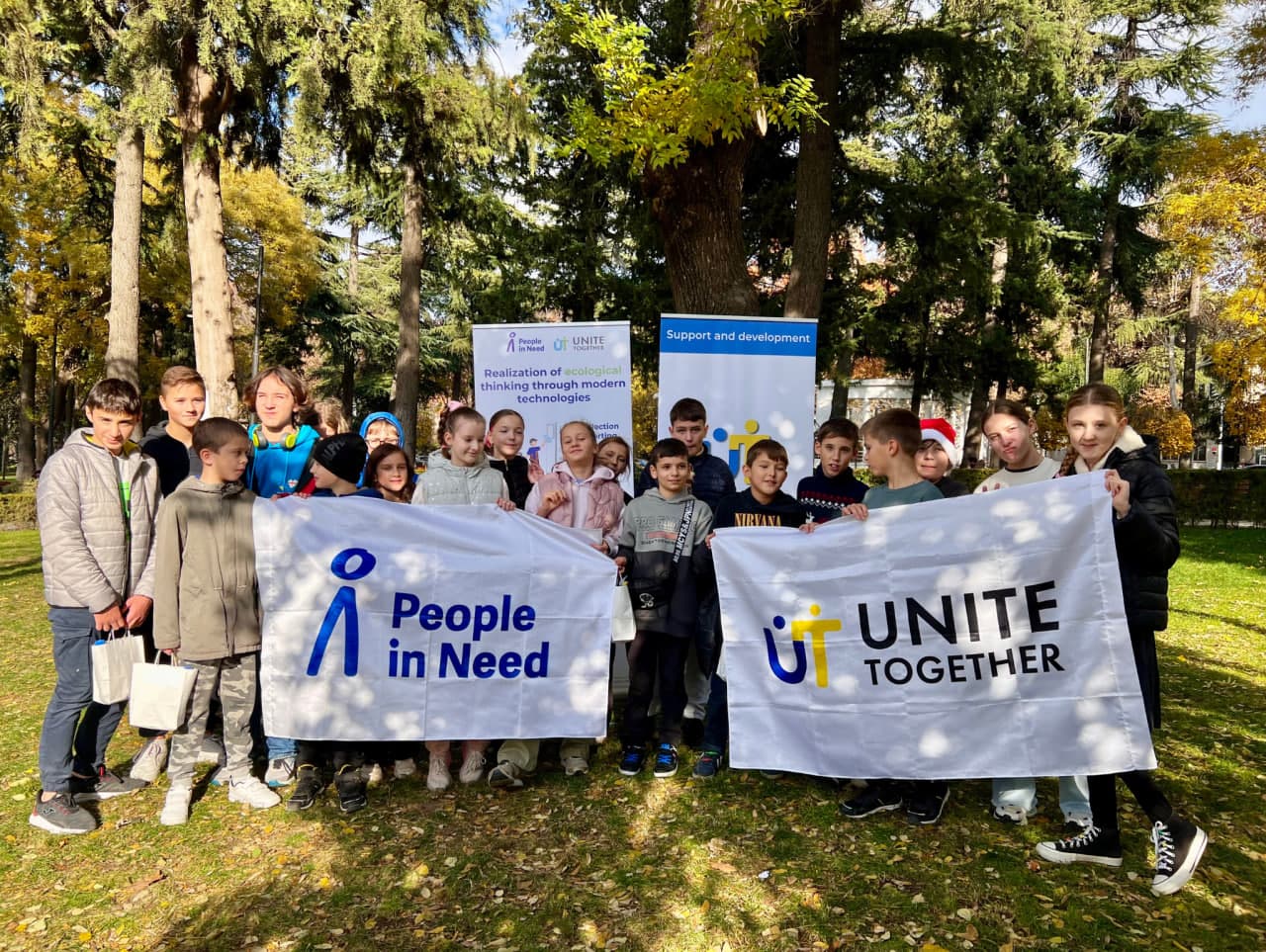
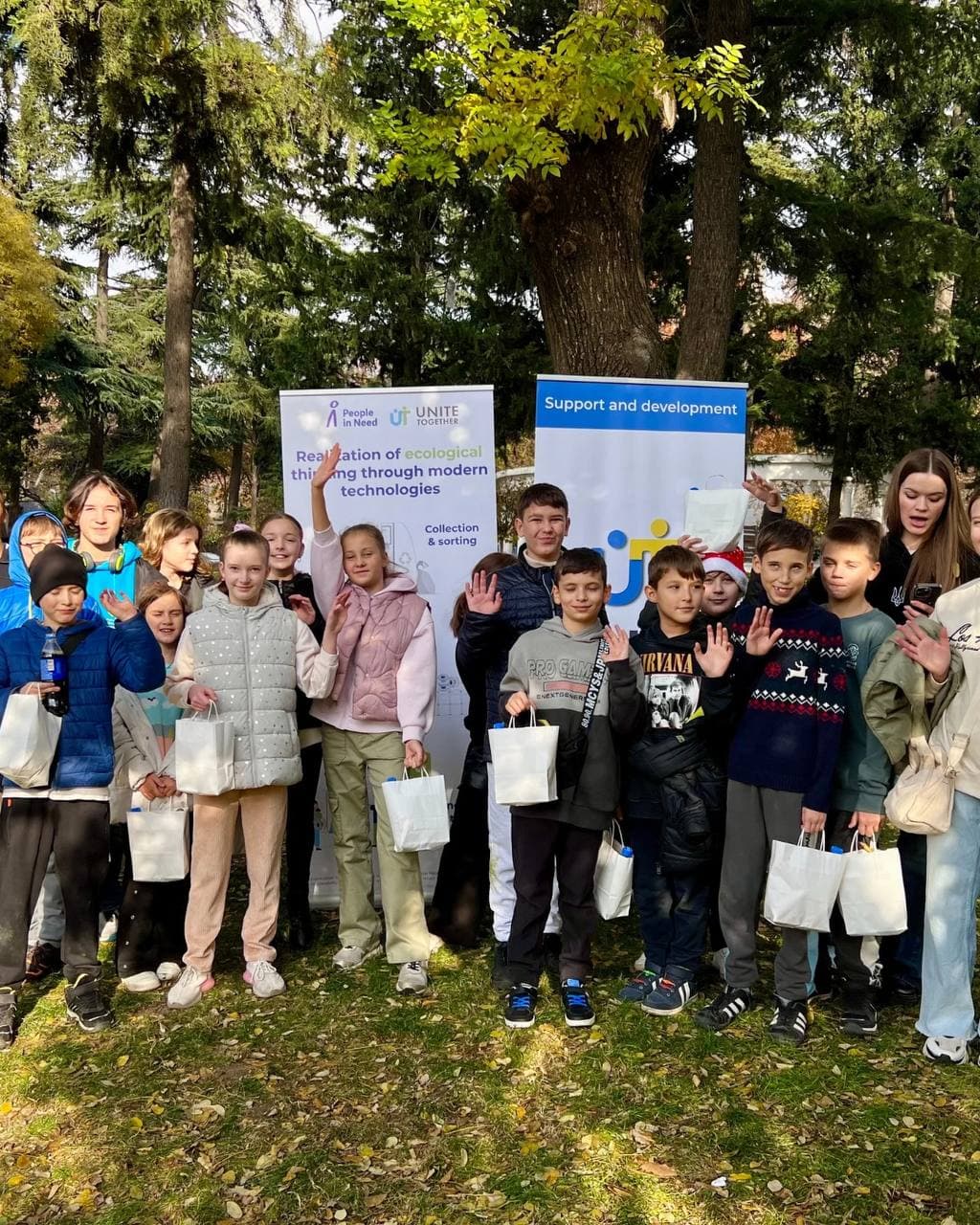
Unite Together’s ECO recycling project was an educational and practical initiative implemented in Tbilisi for Ukrainian refugee children and teenagers in Georgia. The project introduced children to environmental awareness through modern technologies, combining ecology, creative learning, 3D modeling, 3D printing, and plastic recycling.
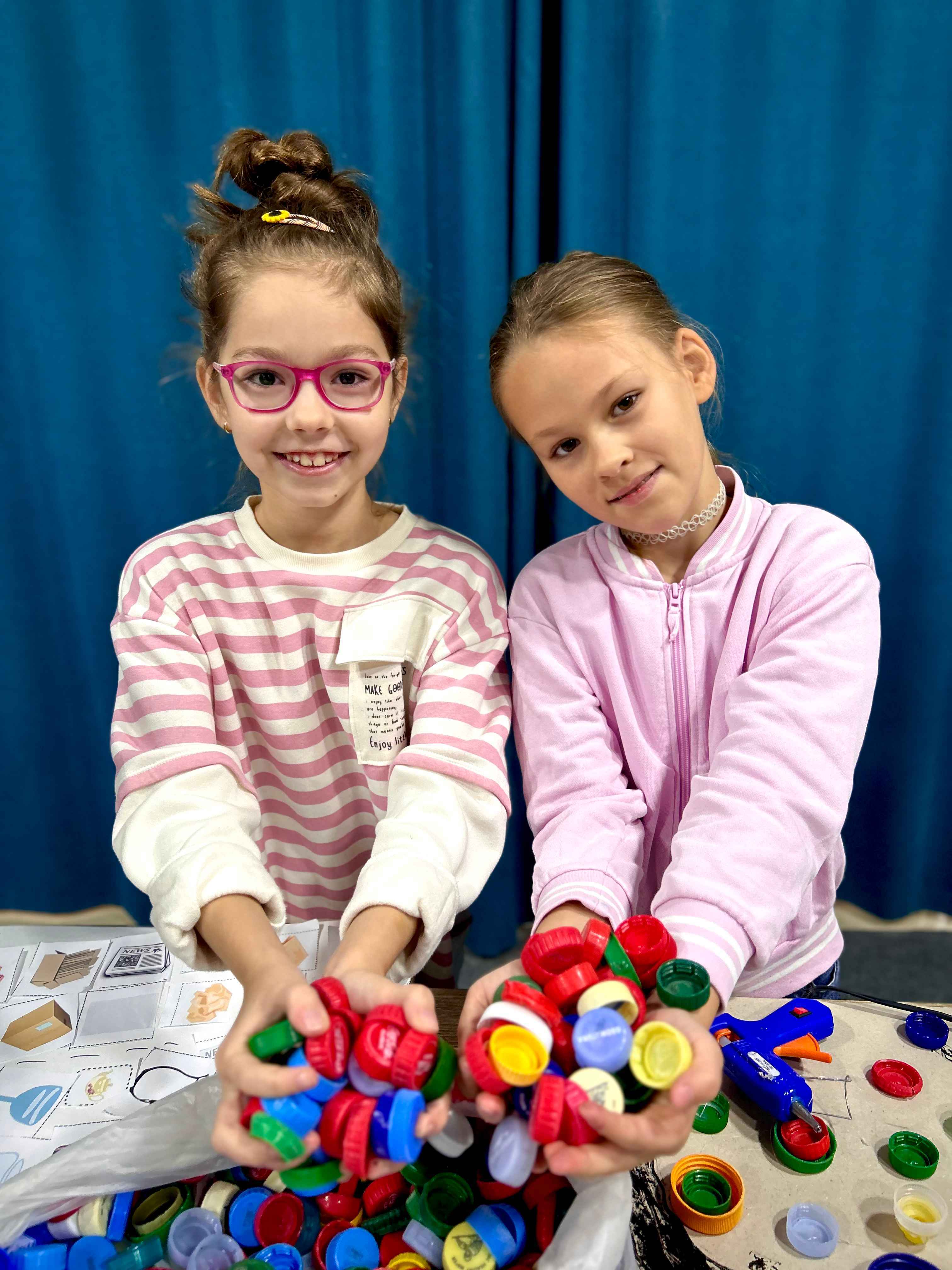
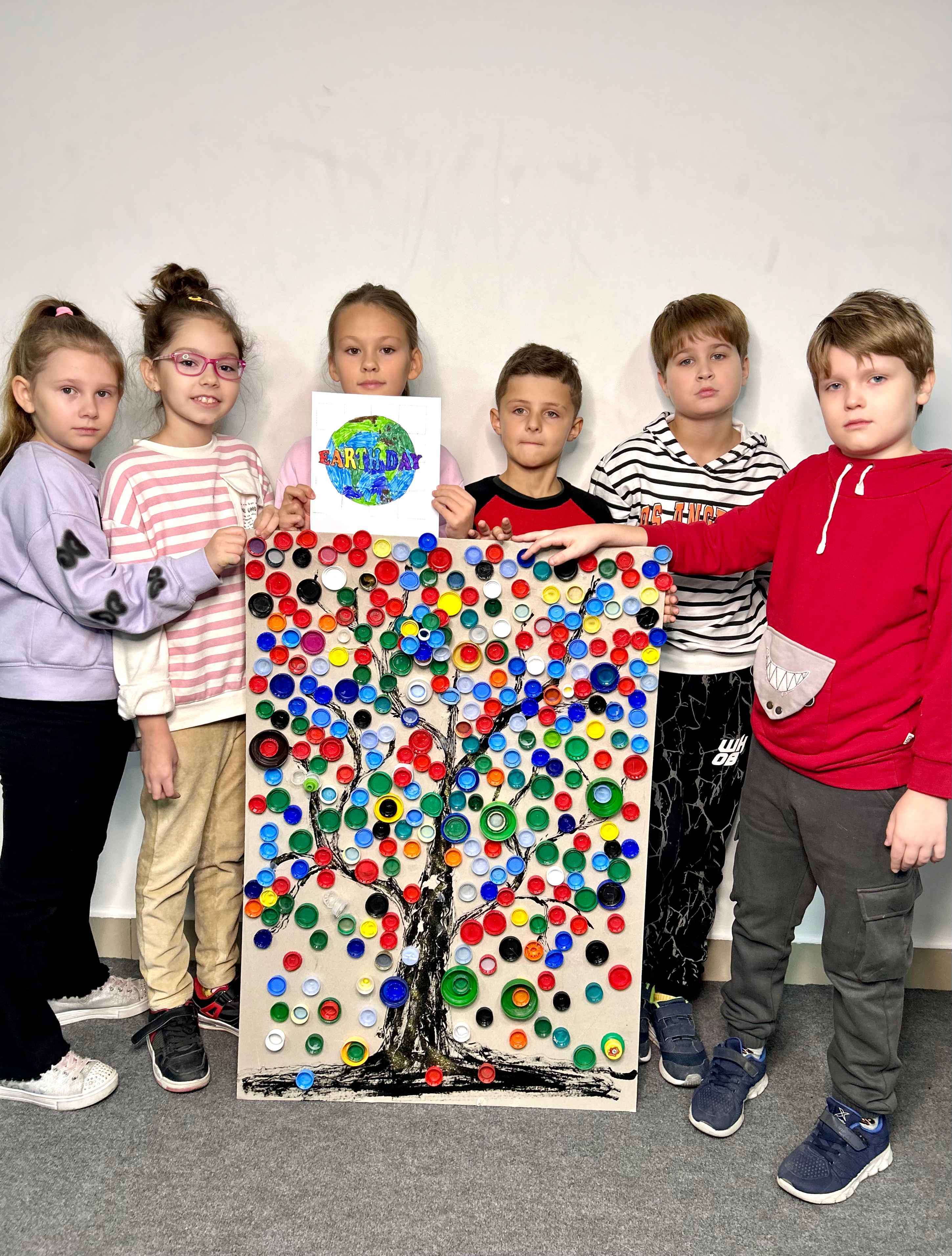
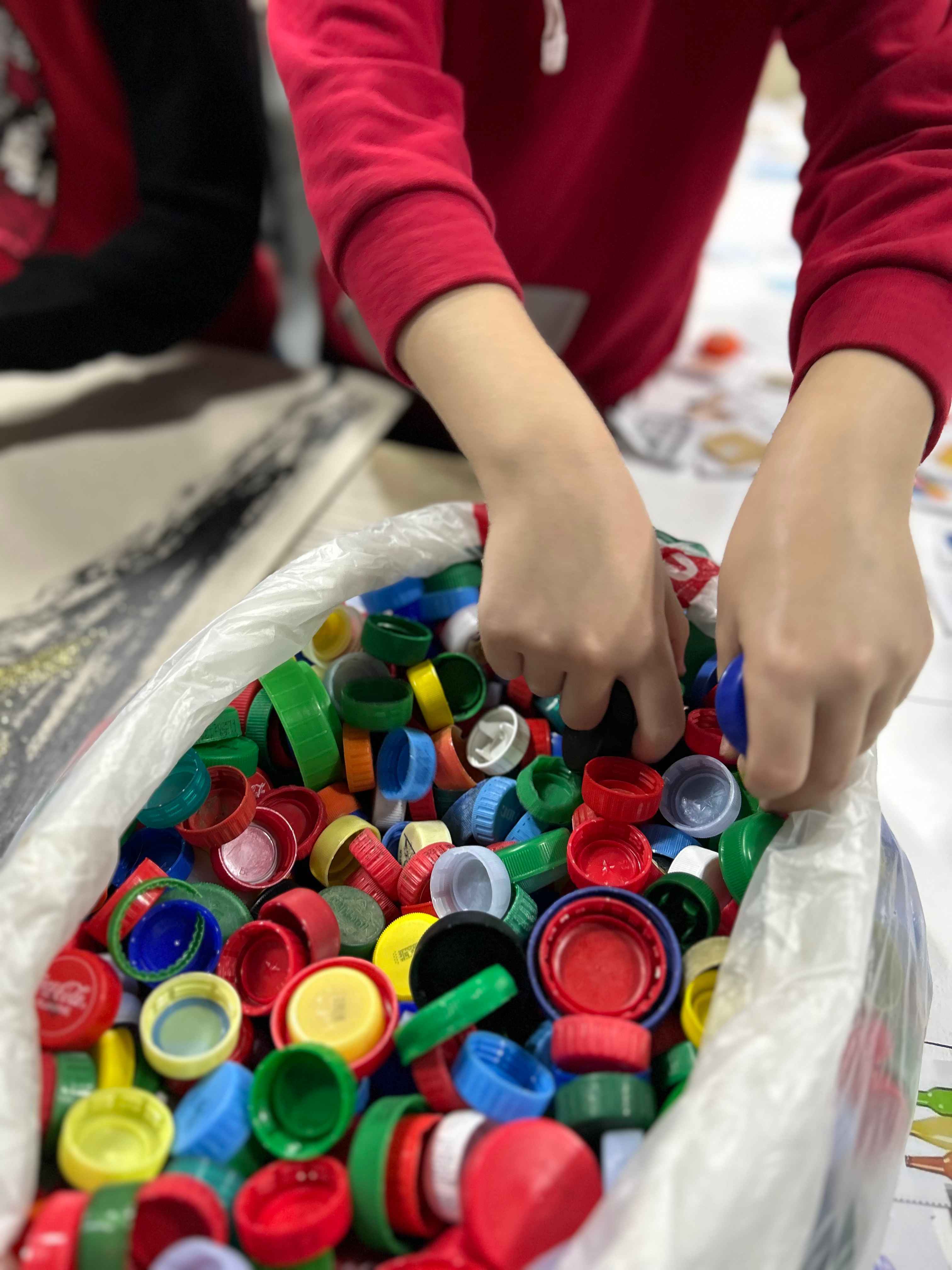
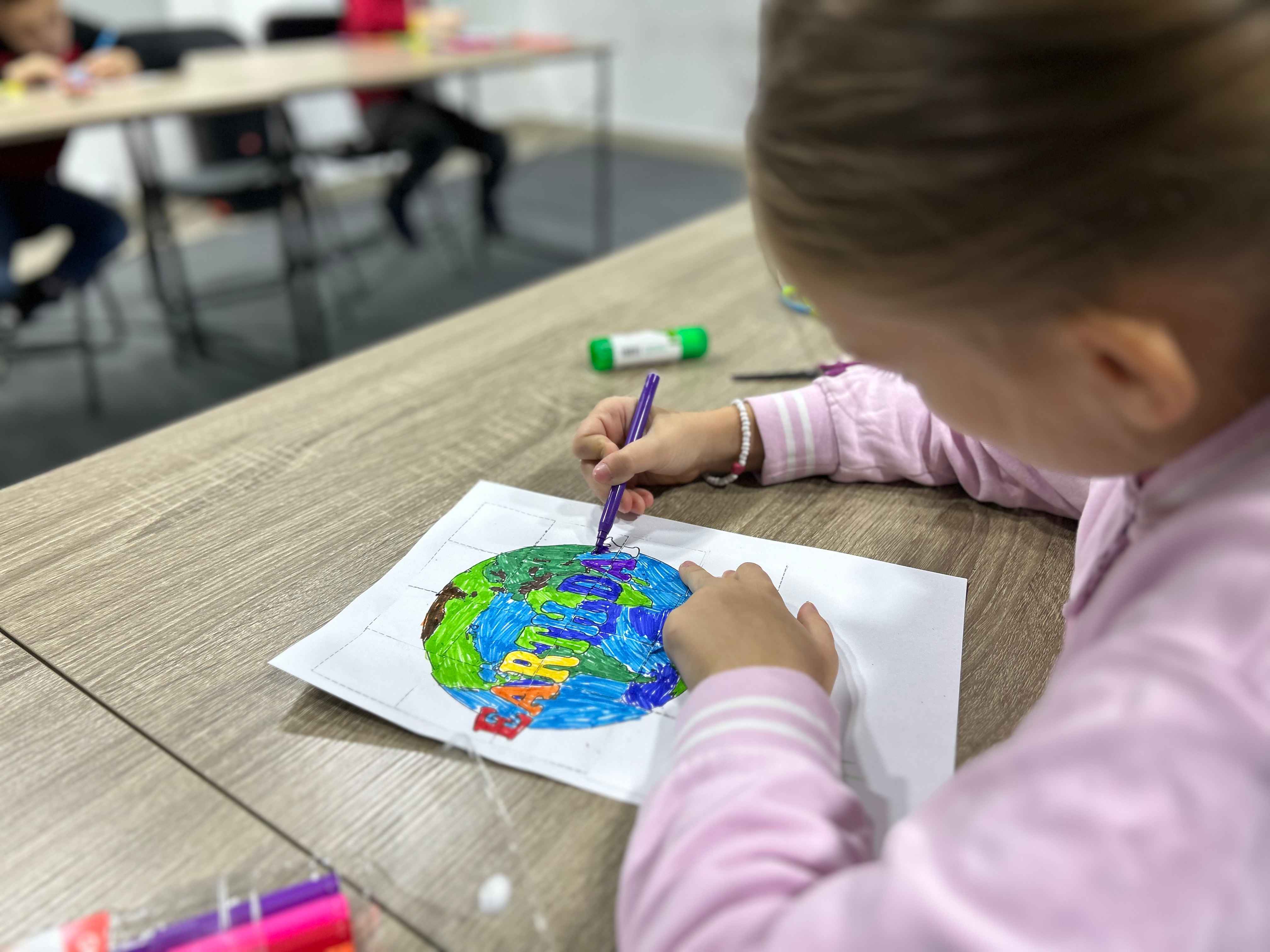
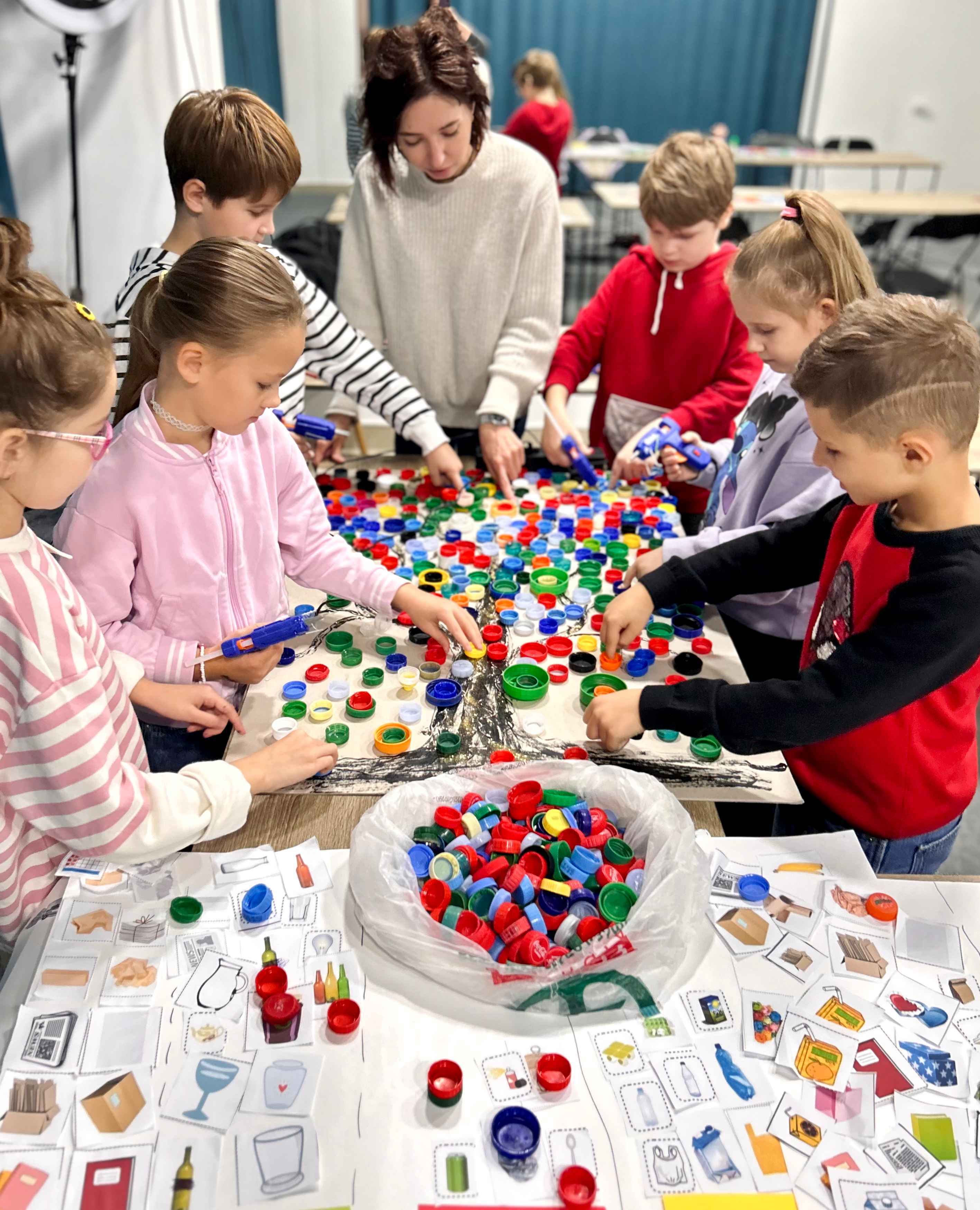
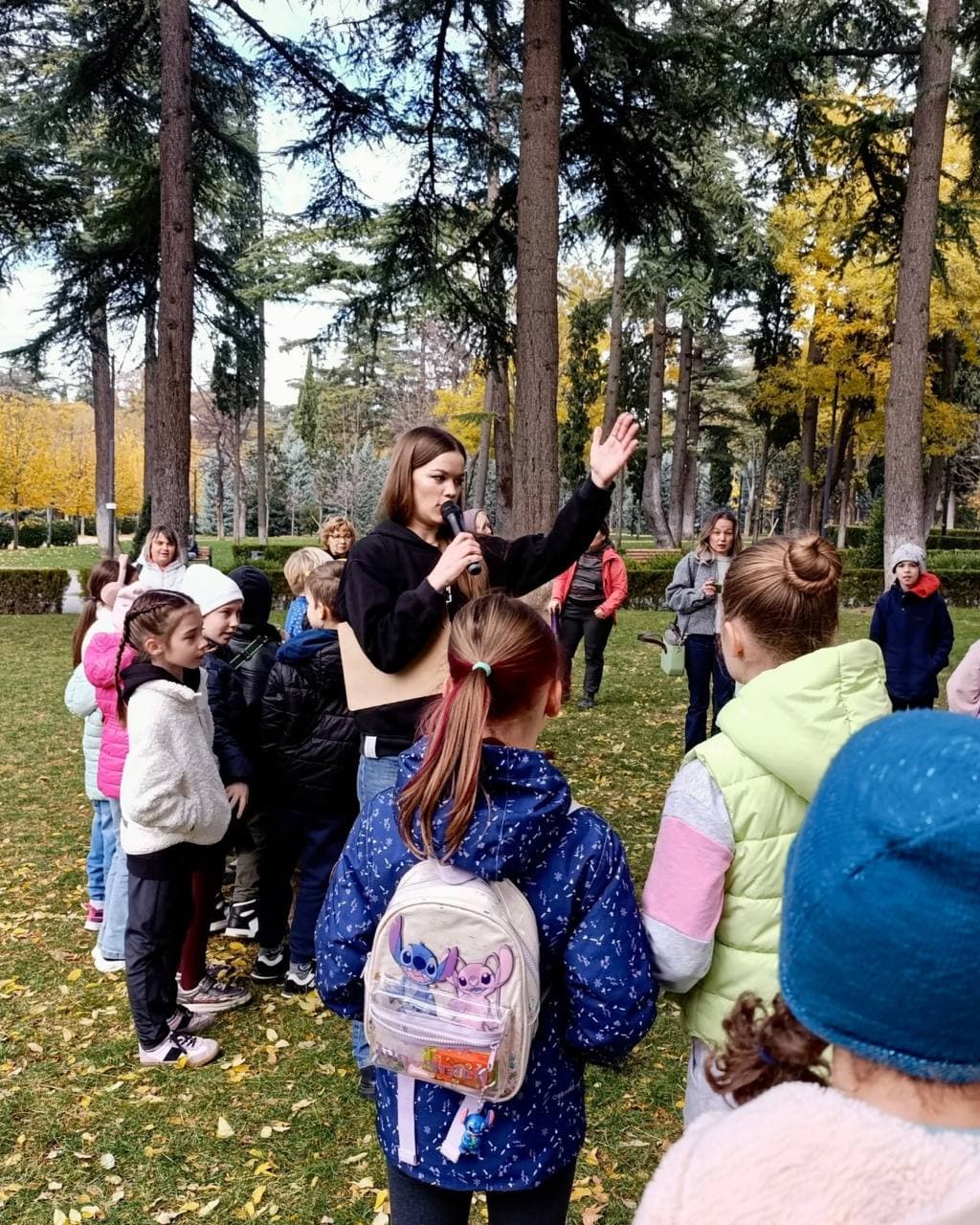
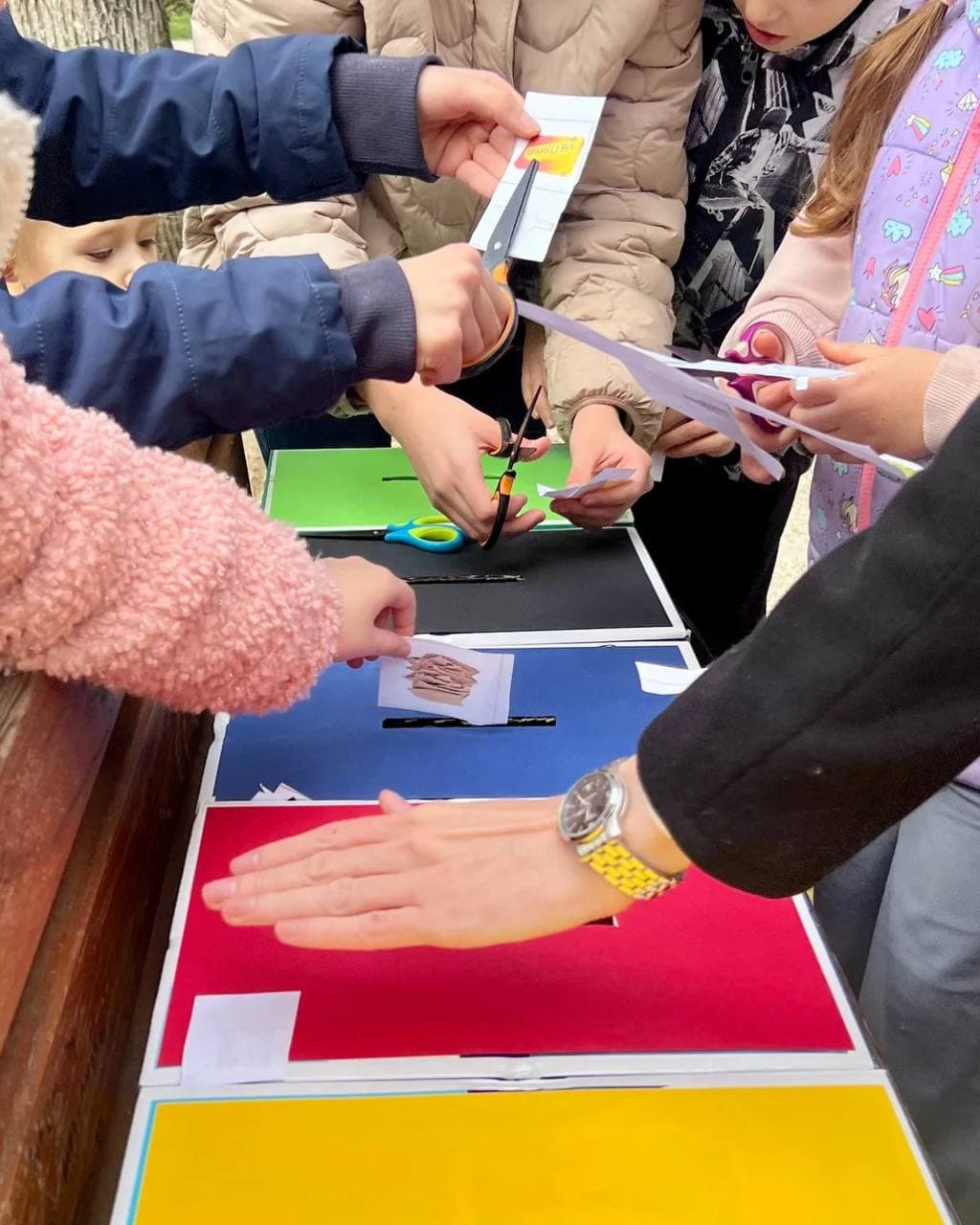
The project was designed to show children that plastic waste is not only a problem, but also a resource that can be collected, sorted, processed, and reused. Through this approach, participants learned about responsible consumption, recycling, and sustainable development in a practical and engaging way. For younger children, the project used interactive and playful methods, including ecological games, quests, quizzes, creative workshops, sorting activities, and teamwork tasks. These activities helped children understand the basics of ecology and waste separation in a simple and accessible format. For teenagers, the project offered a more technical learning path. Participants studied the basics of Blender 3D, created simple digital models, explored 3D printing, and learned how recycled plastic could be connected with modern production. This helped teenagers develop digital literacy, creativity, problem-solving skills, and confidence in using new technologies.
A distinctive element of the project was the focus on a full educational recycling cycle: from plastic collection and sorting to processing plastic into 3D printing filament and using it to create new products. This approach was innovative for Georgia and helped connect environmental education with practical technological experience. The project also included visits to recycling facilities, where children saw how waste is sorted, pressed, processed, and prepared for reuse.
Through the ECO recycling project, Unite Together created a safe and meaningful learning space where Ukrainian refugee children could gain new knowledge, build friendships, work in teams, and feel involved in positive environmental change in Georgia. The project contributed not only to ecological education, but also to social integration, personal development, and future-oriented skills for children affected by displacement.


